Taste of Freedom and Nocmig Continued

Garden Bugs

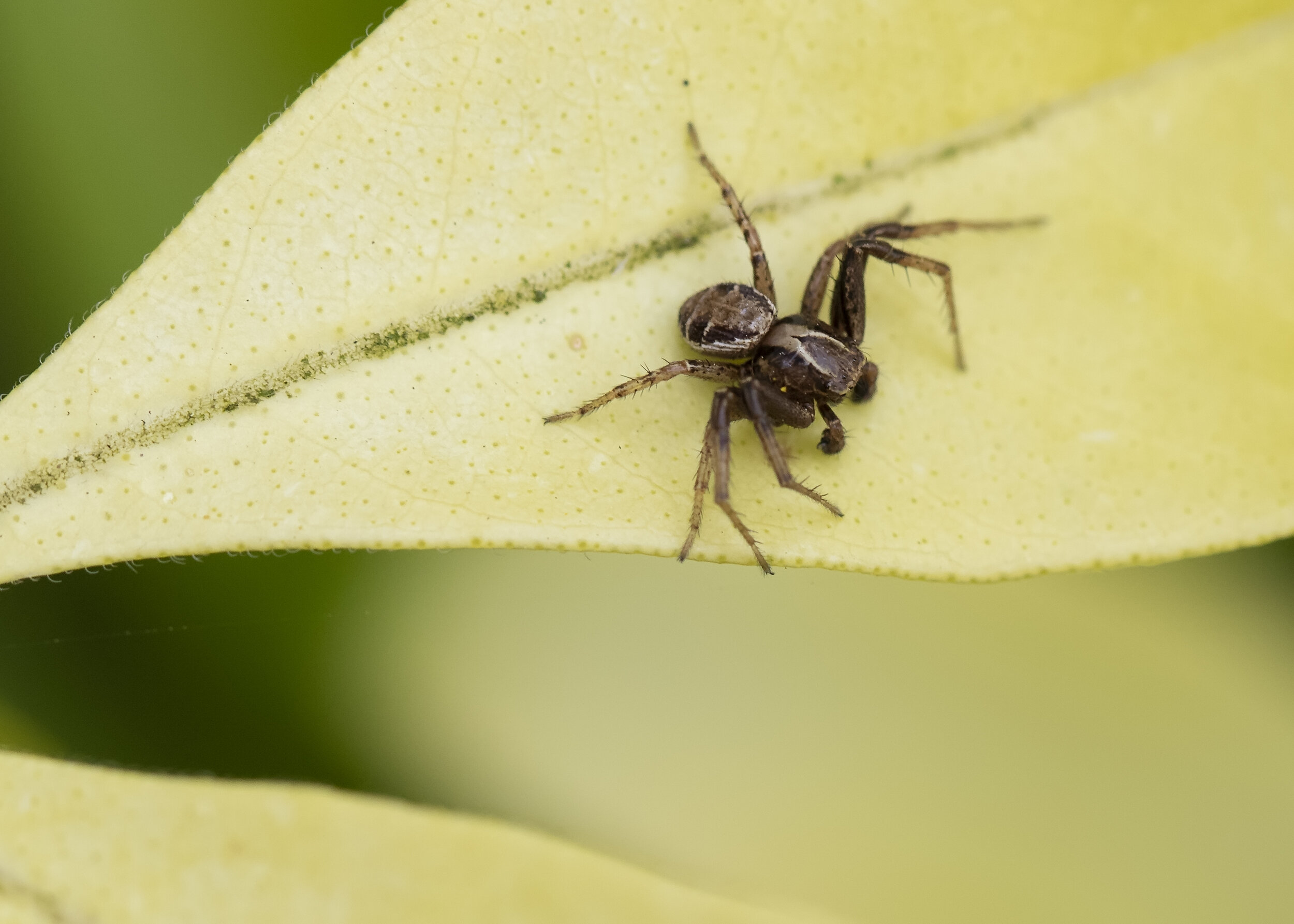
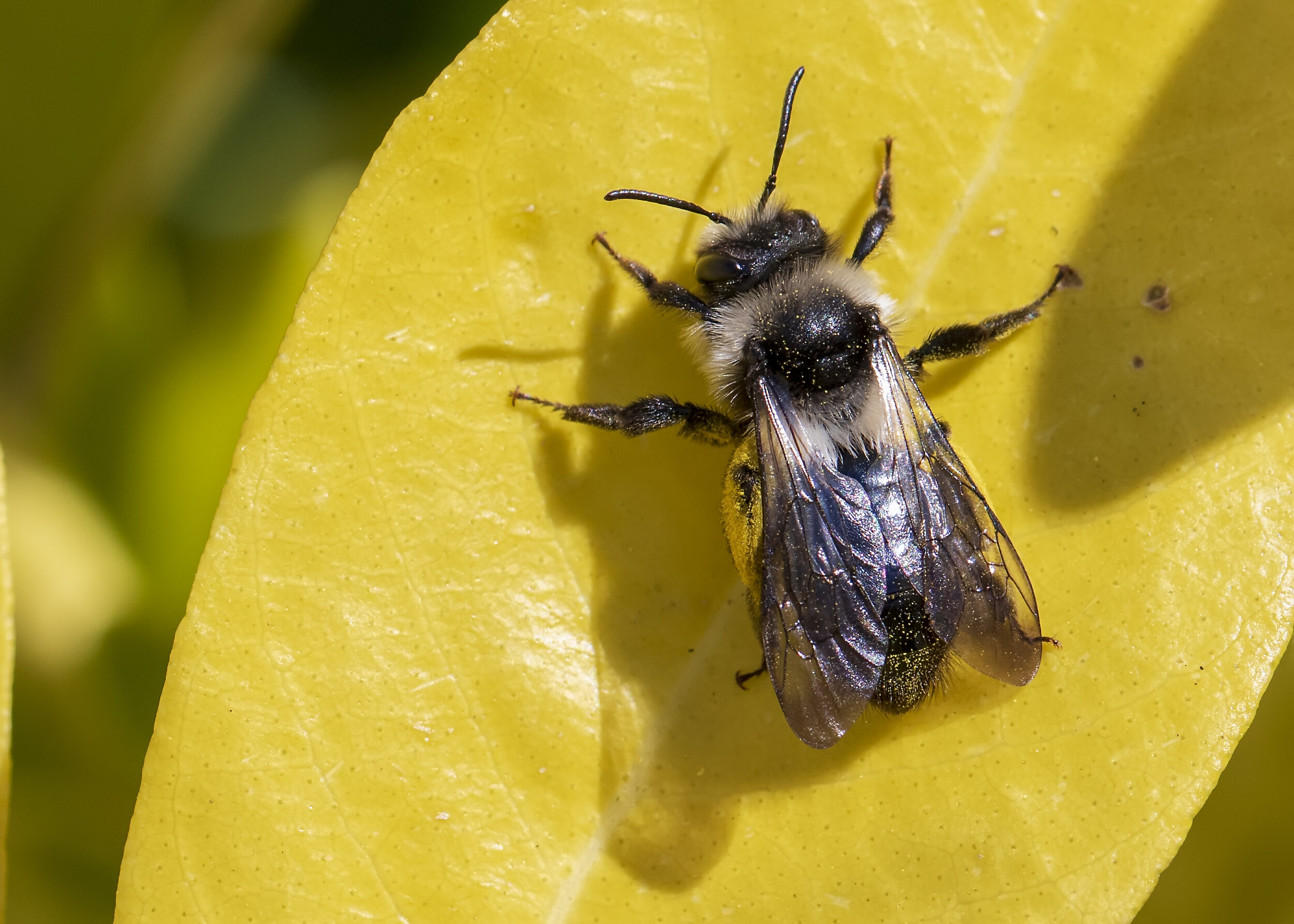
A few extra bee species added to the list, some of which can’t be fully ID’d without a microscope but I’m new species for me either way. Particularly happy with the Andrena Bicolor as I don’t believe I’ve ever seen this species before. I’ve started to record Hoverflies now also but it’s all getting a bit much! So many species to record, it’s almost like a full time Job if you really commit to it. It certainly keeps you occupied though if you’re struggling to find things to do during this lockdown period.

Garden Nocmig

Things are getting really interesting on the Garden Nocmig, so good that I’ve taken my organising to a whole new level. Below is a screenshot of my datasheet where I can log my records, but also give more information about weather conditions, gear used, and file name. I can also drop audio recordings onto the file so I can playback the recording right from the spreadsheet, which is really useful when revisiting files.

As you’ll see on the list, in the last two days I’ve had some really interesting birds! Just in the last two days alone I’ve had Curlew and a small movement of Arctic Terns. I’m sure in the first recording below there may be a few Common amongst them which you can hear at the very start of the recording but it is faint.

I’ve had plenty of mysteries during this recording process but by far the most intriguing for me is this bunting like call below. There are a few species with similar calls and I thought for a moment that it might be Little Bunting, but I’ve sent it to a few experienced birders, who are sure it’s not Little Bunting but are still unsure what it actually is. It may be something as simple as a Yellowhammer but as there’s only one call to go off, it becomes quite difficult to determine without some reference material. I’ve made the bunting file downloadable via Soundcloud, if you think you might know what it is, please let me know.

I’ve also added two other species since, in the form of a Kingfisher and Shelduck! At first, I logged the Shelduck as a Cormorant haha. After you’ve spent hours listening to nothing but air, your ears do play tricks on you after a while but it’s all a learning curve. It’s good to take time off and listen back with fresh ears. Big thanks to Chris at the Rare Bird Alert for letting me know about my mistake.


Taste of Freedom!

I’ve finally started back to work after what seemed like an age. For someone like myself who requires interacting with nature for the sake of my mental health, the release of being outdoors was quite emotional. I can’t stress enough the importance of being outdoors with nature, it really does make all the difference, so get out in the Garden as much as you can. Don’t suffer needlessly during this lockdown, take your daily walk come rain or shine.

For those that aren’t aware I’m self-employed, and everything I do outdoors is wildlife research, whether as a sub-contractor, my wildlife media business or for In Our Nature CIC as we’re working on nature content for people suffering from mental health. Whilst I’ve ensured I’ve worked from home as much as possible, a huge part of this work requires me being outdoors and so long as guidelines are followed I see no reason why this can’t continue. Below are a few species encountered during work, I hope you enjoy them!

One of my favourite species the Grasshopper Warbler. There’s just something about reeling or churring species that really ticks a box for me. They don’t have to look pretty at all so long as they sound interesting. Due to the right wind conditions in the last week or so, we’ve been getting a bit of a Grasshopper Warbler fall out, and that’s because they aren’t very good fliers despite having to migrant quite long distances, so wind conditions need to be in their favour but as a result they do end up blowing off course. This year due to the right conditions we should see a bumper year for them. I picked up 4 reeling males in the same location on the Gwent Levels.

Sedge Warbler and Reed Warbler have also turned up in good numbers.

Below are two types of Blackcap Song that’s worth noting if you haven’t already. The extended song is the one that’s often mistaken for Garden Warbler, as it’s drawn out and implements more of a linear pattern with less listening breaks. During this time a female entered it’s territory and he sang from low down in a bramble patch. Likely it’s preferred nesting location. Once the female had left its territory, he flew back to the top of a willow tree and sang the typical Blackcap song which is short and implements that typical fluty belt at the end of each phrase. Presumably this type of song carries further distances.

I’m starting to accumulate a nice collection of bird songs now, and if you’re interested to listen to more please follow this link where I’ve started to organise into collections.

Sound Link

Catch Up

Garden

Those that are friends with me on Facebook will know that I haven’t been well for the past 2 weeks with Covid symptoms. I still haven’t been tested but the Doctor was convinced I had Covid-19 as I was very ill and all symptoms were textbook, with Fever, body pain, kidney problems, migraines and of course, a terrible dry cough. To cut a long and painful story short, I am so much better now, thanks to the wonders of modern medicine. Whilst doctors say antibiotics don’t work for viruses, the hospital said that Doxycycline has been responding well with covid-19 and a strong dose certainly seemed to help me as I usually struggle with chest infections anyway. Never have I experienced such a fever before, shaking all night long with temps between 37.5-38.8. Please be prepared, the shortness of breath is no joke, it was quite a frightening experience, but I got thru it! We’ve followed all guidelines set out by the government RE self-isolation and thanks to loved ones we’ve been well looked after. Happy to report I’m back on form, as you’ll tell by the number of bugs I found in the Garden these last two days. I’ve done my best to ID them but naturally have to run them by Liam Olds and Mike Kilner to be sure. This time last year I was totally new to Bee’s so was happy to ID quite a few in the Garden, which proves I’m learning. Just add a few species to your list each year and you’ll be surprised how quickly you can pick these up.


Forest of Dean

Whilst I’ve had time on my hands, I had a look thru some old files from earlier on in the spring. I spent a lot of time in the Forest of Dean in search of drummer Lesser Spotted Woodpeckers to add to my sound recording catalogue and even though I failed, I did find some characters along the way. Wild Boar are incredible creatures, so intelligent and play such a vital role in the forest. They truly belong in the Forest of Dean and I couldn’t imagine them not being there. Just seeing the habitat they’ve created in some of the dense forestry is enough to make you realise their importance. Watching the humbugs playing, feeding and sleeping is a joyous experience that I’ll carry with me forever. As the light faded she gathered nesting material for the night and the little humbugs joined in! bringing small piles of bracken over, even if it was in the wrong place. They really do learn from a very young age. Below the photos I have a short sound recording of the humbugs begging mother for a feed, much to her disapproval.


Nocmig

I stopped recording overnight during my ill period but I’ve just started back up, and this time sporting my shotgun microphone as I wanted to be able to capture the rarer species with a little more clarity to share with you. For recording purposes you really don’t need anything expensive, just a handheld recorder will do the trick, but the files aren’t that pleasing to listen to, as you’ll know from my last blogs.

Over the last couple of days, I’ve added a few new species to the Garden list, with Common Sandpiper, Little Ringed Plover and Golden Plover being my favourite so far. I’ve added one more Water Rail too, this time a little closer to the mic. The recordings will still sound quiet, but they’re perfectly viewable on the spectrograph which is all you really need to ID them.
Listening back to some without decent headphones on, you may not even hear them, but they are there.

There isn’t a whole lot of resources online to ID nocturnal flight calls but that is changing as time goes on and more people are starting to join in. It’s a great way to kill a few hours in the morning and I’ve learned so much already. I mean who would have thought I would get Oystercatcher, Common Scoter, Golden Plover, Water Rail, Curlew and Little Ringed Plover over Sebastopol! Every single night I get Moorhen, Coot and plenty of unknown wing beats that I need to ID, but it’s possible to even Id those if you study them hard enough. I’ve also learned more about Tawny Owls in this process and how many different sounds they actually make. I’ve lost track of the amounts of times I’ve heard this call:

I thought this call was unique to my local tawny, as I have recorded a Tawny here before that sounded like it had some vocal trouble. You might remember from last year? Here’s a reminder below. Turns out though that this call is just a contact call, and this was proven to me by Craig Constance who also picked up the same type of call from his local Tawny Owl last night.


All in all, I’m starting to enjoy this nocturnal migration recording. Not only is it giving me something to do during this period of isolation but I’m learning something new every day. I’ll leave you with a picture from 2017 of an unforgettable experience with three juvenile Ospreys, one of which was born in Scotland and the other two who’s origin will remain a mystery due to no rings. I worked at Llandegfedd at the time so learned their every move, from favoured feeding perches, roost perches and their general routine. I’ve been recording Osprey movements at Llandegfedd for over 10 years, as you’ll see in past blogs. I’ve accumulated quite a list of ringed birds, most of which have been from Scotland. I continue to play an active role with ongoing communications with Welsh Water so we can one day erect a nesting platform once a suitable location is found. This year should be a great year for our Ospreys as the lockdown ensures our large lakes have less disturbance from tourism and boat activity. The same will apply to many shy breeders.

What's your Soundtrack?

I can’t imagine when the last time the earth experienced such a mass global silence before. It’s a sound recordists dream! but also a total nightmare all at the same time, as we’re unable to get out and enjoy this beautiful ambience. That said, I hope that the millions of people finding themselves in isolation are noticing the silence around their homes, gardens or during their daily walk. Silence is a powerful healer as we give our ears time to rest and reset. We’ve tried to mitigate the sounds of the city by designing noise-cancelling headphones, but the issue with that is, you replace the silence with something that’s usually just as loud, and potentially damaging to our ears. Chose your soundtrack wisely. If I had the choice between spending the morning listening to my favourite songs or to listen to a dawn chorus, I’d pick the dawn chorus every time.

On that note, If you have headphones, please put them on and listen to this beautiful display I recorded at work. You’ll hear several species in the background, from Snipe, Teal, Swans, Water Rail, Little Owl and throughout the recording are Bat’s overhead. Most people won’t be able to hear the Bats so I’ve lowered the pitched in another recording so you can hear what they sound like. This recording is one of the most memorable moments of my life. This location is usually washed with the sounds of road/air traffic noise, so you very rarely get to hear the acoustics of the land.

Over the top of this same moment was plenty of Pipistrelles enjoying the warm night and what you’re mostly hearing in the recording below is their social call. My microphone cannot capture full spectrum but I’m looking into ways that I can record the sounds of bats as they do make some incredible sounds that most people would not have experienced before.

The recording below only exists thanks to the ‘pre-record’ function on my Mixpre 6 ii. The function allows you to record a few seconds before you actually press the record button, which means it’s always recording and just keeps those seconds prior to you pressing the button. It’s not something I rely upon as I’m often walking so it usually just captures me fumbling around trying to get the subject in focus, but in this case, it did help me document my first ever drumming Snipe. You wouldn’t believe this sound was created by their outer tail feathers and not their mouth.


Everyone is experiencing this lockdown differently and my thoughts go out to those who have very little at this time to enjoy, or are having to isolate themselves in an abusive home. Remember that in the event of social abuse you ARE aloud to leave your home and if you believe you are a victim, please call the police and seek advice. Your home should be a safe place, not a prison sentence.


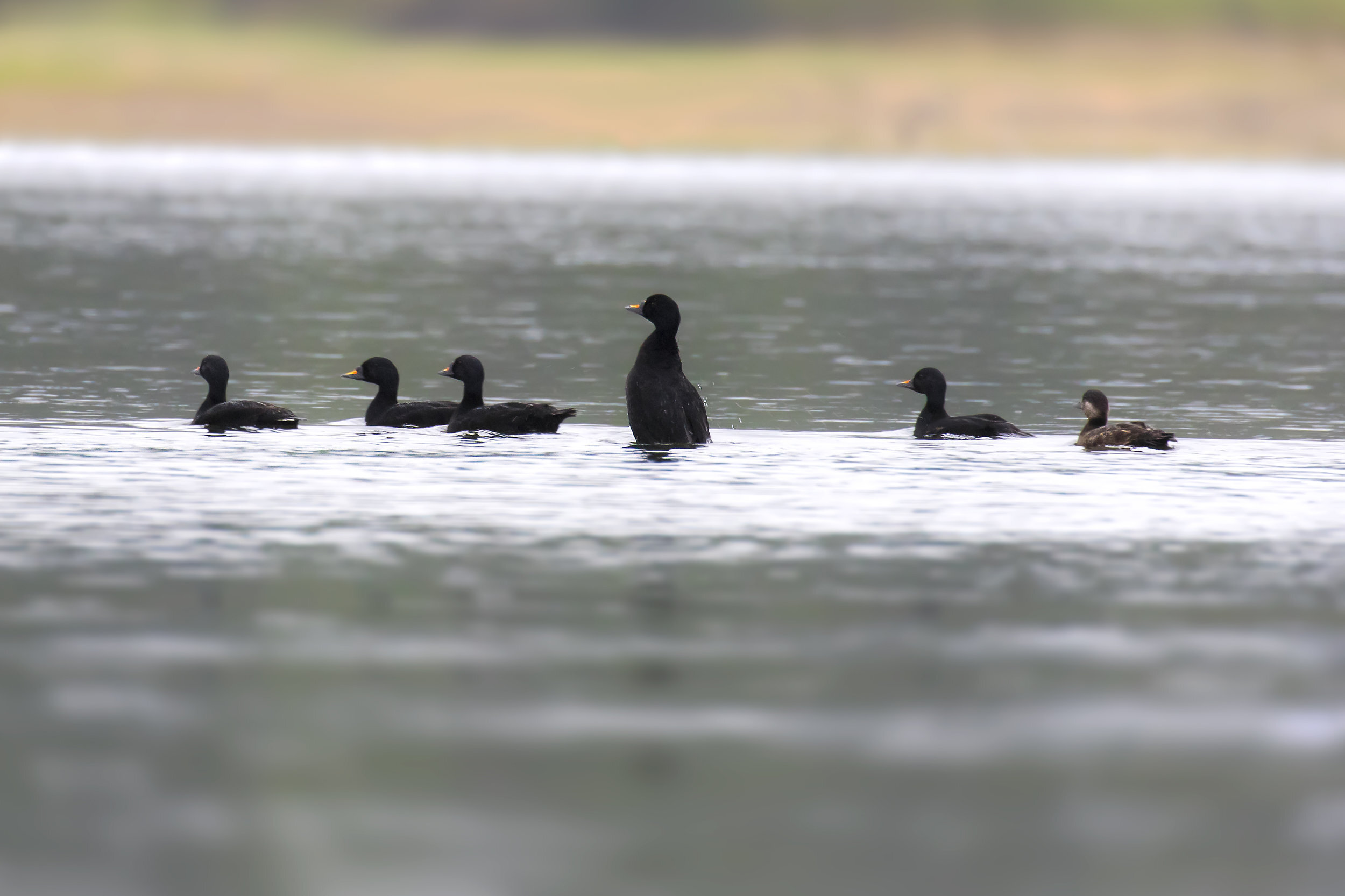
My street is about as diverse as a chemical plant and as the council have closed the canal, (rightly so) I’m not able to get out and have my nature fix. If you read my last blog you’ll see I’ve found a way of getting my fix and I can’t believe I’ve never done this before! Last week I had Curlew, Oystercatchers, Water Rail, Moorhen and since then I’ve managed to get my first Common Scoter Flock!

Inland records are always important to record as they would otherwise spend their lives at sea, so to get one over the house in Sebastopol is a big deal. I have recorded them at Llandegfedd Reservoir, usually after a bad storm where the sea gets a little too rough but they can be recorded inland on lakes during migration.
Learn more here - https://www.rspb.org.uk/birds-and-wildlife/wildlife-guides/bird-a-z/common-scoter/

Common Scoter

Common Scoter


I’ll leave you with the sound of early spring, the only recording I could get prior to lockdown of spring arrivals.

Chiffchaff

Nocturnal Migration

For years I’ve been nagged by my good friend Craig Constance to start recording ‘Noc-mig’ which essentially means recording nocturnal migration by putting a recording device on record all night. I’ve never been a fan of the idea, as it’s taken me a long time to save up for all of my equipment and the last thing I wanted to do was to leave it outside where it could either get stolen or damaged by typical British weather. Sound recording gear tends not to handle water very well. So what made me change my mind? Well, Craig pointed out a few people that have uploaded information about Nocmig online which revealed a trade secret to ensure 100% waterproof coverage over the gear, whilst unaltering the overall sound quality. I didn’t think such a thing existed, especially after being told that the answer to the problem was, clingfilm! Turns out that clingfilm is thin enough to almost be transparent to soundwaves but thick enough that no water can penetrate. If sound quality was important then I don’t recommend this, but if you’re desperate, try it! I think you’ll be as surprised as I was.

So now is the time, peak spring migration season and on our first night of leaving the recording gear out, we have both had some really interesting passerines, with Oystercatcher, Teal, Redwing, Black Headed Gull, Mallard, Moorhen, Song Thrush and Pied Wagtail so far. I’ve had Oystercatcher following the canal before, but getting these again so soon makes me realise that they probably use the canal system annually as a way of navigating during the dark.

They might not sound great, but they appear really obvious on when looking at the spectrograph.

Oystercatcher Spectograph

Oystercatcher Spectograph


My setup will likely change over time once I convince myself that it’s worth putting the more expensive gear out, but for now I’ve stuck my Zoom H6 recorder inside a plastic box, hit record, put a layer of clingfilm over the top and then just put one of my Rycote fur covers over it to eliminate raindrop sounds on the clingfilm and take off a bit of the wind noise. Any material would work so long as it’s not too thick that it muffles the sound.

Noc-mig Setup

Every now and again you get something that you’re unfamiliar with, as nocturnal sounds are vastly unrecorded, especially migration calls, but this recording below still has me a little unsettled as it doesn’t sound like your typical Tawny Owl to me. It goes to show what you can learn when leaving recording gear out like this and It’s exciting as you really don’t know what the night might bring. If you are self-isolating, this could be a fun little project for you to give a go, if you have children I’m sure they would enjoy listening back to the recordings to see what they might have captured. All the while, you are contributing to a little citizen science, as it’s always valuable to know migration routes.

Free for all comes at a cost.

Just when I think things are on the up, I get reminded just 8 days into Llandegfedd being back open to public, just how much the site is set on a downwards spiral.. I really hope new management turn things around as the current free-for-all setup is coming at the cost of our environment. I arrived to see Dog’s running around off lead on the island , a site that used to have breeding Lapwing. A fisherman set up very considerately right in front of Bert Hammar Hide, Poo Bags are thrown everywhere, Dog poo everywhere and plenty of litter. Welsh Water has done a lot of work this winter repairing the hides, with new roofs and bin additions, but I’m starting to think that all this encourages is for people to use the hides as picnic areas and not for their intended purpose. Just 8 days in and the bin is overflowing in Green Pool Hide and as a result, bottles, cans and wrappers surround the hide. Green Pool never saw litter prior to the installation of these bins, so I think they need to go. I was also very disappointed to see four silver birches cut down. These birches were planted as part of past conservation efforts and were reaching a good age, but it was deemed a necessary loss as it enabled DCWW to cut the grass with the tractor to save time. Three Boats were fishing right in Green Pool inlet and as a result, flushed what little Teal are left on site. There’s no policing of the site what so ever, which is exactly why these things go totally unnoticed by the rangers. This is what it’s like now, in wet and windy conditions, so you can imagine how bad it gets on sunny weekends during the summer.


Moving onto more positive things, I spent some time with the Macro lens, and I have a ‘thing’ where if I photograph something, I need to find out what it is, which is why I pick and choose what I photograph as it can often lead to a headache, as not all species are identifiable without use of a microscope. I just need to get some decent books. If it wasn’t for this website - https://www.naturespot.org.uk/ - I wouldn’t manage at all at the moment. I bought a Moss book but turns out it’s Arable Garden Mosses only, so not much good for me.
Any recommendations, please let me know! I want to grow my book collection.


Spring Warmth

Everybody has their own cue’s for spring, something they look out for each year, whether it’s the first arriving Swallows, the sound of the dawn chorus, the smell of wild Garlic, or a pond full of Frogspawn. I haven’t got any specific thing I love seeing the most as I love it all! but if I had to choose, it has to be the singing birds. I get so much joy listening to birdsong, whether it’s the complex song of the Skylark on the hills or the repetitive song of a Dunnock in the Garden. With heat, comes energy, and that energy is contagious, so lap every moment up.

One sign for sure is emerging Reptiles and this week I found my first Adder in a known hotspot. I’m tasking myself to find more local ones this year as I’ve walked for miles in pristine habitat on my local moorland and I’m still yet to find one.

In the same spot as the Adder were 7 Common Lizard, all basking in the warm sun. Hard to believe that same day started with ground frost and snow forecast! March has become a very unpredictable month which has the potential to make or break it for some species that time things wrongly.

Adding to the Bird song list is this Chaffinch on a rather windy day and a beautiful Dunnock which continued to sing in the tree I just parked my car under, even after making a racket shutting doors and getting all my recording gear out of the boot. It’s a nice feeling when wildlife choses to trust you, or most likely pretending you don’t exist lol.

Below is one of my favourite recordings to date on what ended up being a beautiful walk in the Forest of Dean. A pair of Ravens were building a couple of nests, probably undecided on where to settle, but the morning mist was condensing on the trees, creating a background of crisp water drops falling on dead leaves. My recording doesn’t do it justice really but if you listen with a good pair of headphones you will hear it. One thing I couldn’t help but hear also though is the passing planes!! There literally is no escaping the sound of man anymore.

Take a look at this time-lapse video of all the plane activity in Europe. It’s getting ridiculous! A total money pit and all at the expense of the earth. It’s important we find areas to escape man made sounds and I highly recommend finding an area to escape this constant drone. The Canyon in Pantegaseg can be a great place to escape plane noise, but it’s also a hotspot for off-road vehicles on the weekends, so pick your times carefully. The best way to get away from these sounds are to find natural sounds that drown it out, this is why we’re drawn to the sounds of streams and rivers.

Mystery Grasshopper & New Business

It’s wet outside, and despite still working outdoors, I’ve not been able to do much sound recording, so I’ve revisited a few of my old recordings, and in doing so, I’ve listened with a new set of ears. As it would appear that on the 13th of August 2019, the same day I found this beautiful Southern Migrant Hawker, I also recorded this Grasshopper, which I’ve now identified as a Long-winged Cone-head, after much trawling of the internet and research!

At full speed, it sounds quite similar to a Great Green Bush-cricket, which is what got me so excited as they haven’t been recorded that far inland in Wales, and it would have been another first for Llandegfedd. Take a listen below;

Southern Migrant Hawker 13.08.19 Llandegfedd

Slowing the recording down, however, revealed 3 distinct syllables, as opposed to the 2 syllables you typically find in Great Green, so I had to rule that species out. I needed to find a source of online audio files, preferably that were in high enough quality that I could slow down and compare to my own recordings. As despite posting these recordings on designated Othoptera groups, I wasn’t getting much luck!
Unexpectedly the info I needed was found on a BAT website. Which makes a lot of sense because Bat surveyors often pick up grasshoppers and crickets by accident, but so much so that a bat detector has become a good tool for ID’ing orthoptera. Thankfully they listed the frequencies and patterns of enough species for me to identify my grasshopper as a Long-winged Conehead, with 3 syllables in each phrase.

You can see it quite clearly in the sonograph below. It seems obvious now, but I wasn’t aware that Long-winged Cone-heads were able to perform this slow! I’ve certainly not heard any recordings online that sounds remotely the same. Usually, they are much faster, so fast that the individual beats are usually inaudible at real-time. He must have been tired after a long day of performing, as it was getting late in the evening. Goes to show that even species that are usually reliably and easily separated, can throw a curveball every now and again.


All of this has got me even more excited about the year ahead. I’m going to record more species than ever this year. But I’m not just going to do that..I’m also very excited to share a new business venture with you, called ‘In Our Nature Cic’

Wildlife Photography and Sound Recording are just excuses for me to spend more time outdoors for the sake of my own mental health, but also so I can share this experience with other people in the hope it enriches their lives too. I’ve never really felt that I was doing enough to share my experiences with you, but thankfully there are others who share this passion. Veronika Brannovic has worked in the third and public sector for over 20 years, developing and delivering projects that connect people to nature. Together we’re launching our business that aims to improve peoples wellbeing through contact with nature. We aim to do this through various activities but for more information, head over to the website which is almost complete.

‘In Our Nature Cic’

Spring has already arrived!

Frankly, signs of spring are long behind us. Spring is here! Insects that usually hatch in April and May are already on the wing and plenty of leaves and flowers are spouting in what ended up being a very mild day today. I haven’t ventured to any ponds yet but I’m sure frogs are spawning all over the country already and that for me, is the beginning of spring. Below’s selection of ferns, mosses and lichens came from a single spot in Llanover which I return to regularly throughout the year as it’s a beautiful place to lose one’s thoughts.
Plenty of spring hatching Caddisfly Larvae and Stoneflies on the wing which I’m sure the bird population are already making the most of. Below you’ll notice a Hart’s-tongue Fern that splits into two! I’ve never seen this before but despite it not being common, it has been noted by other naturalists. Some have called it a ‘Forked Hart’s-tongue Fern or a Split Crested Hart’s Tongue Fern. Whatever this is called, it looks cool!!
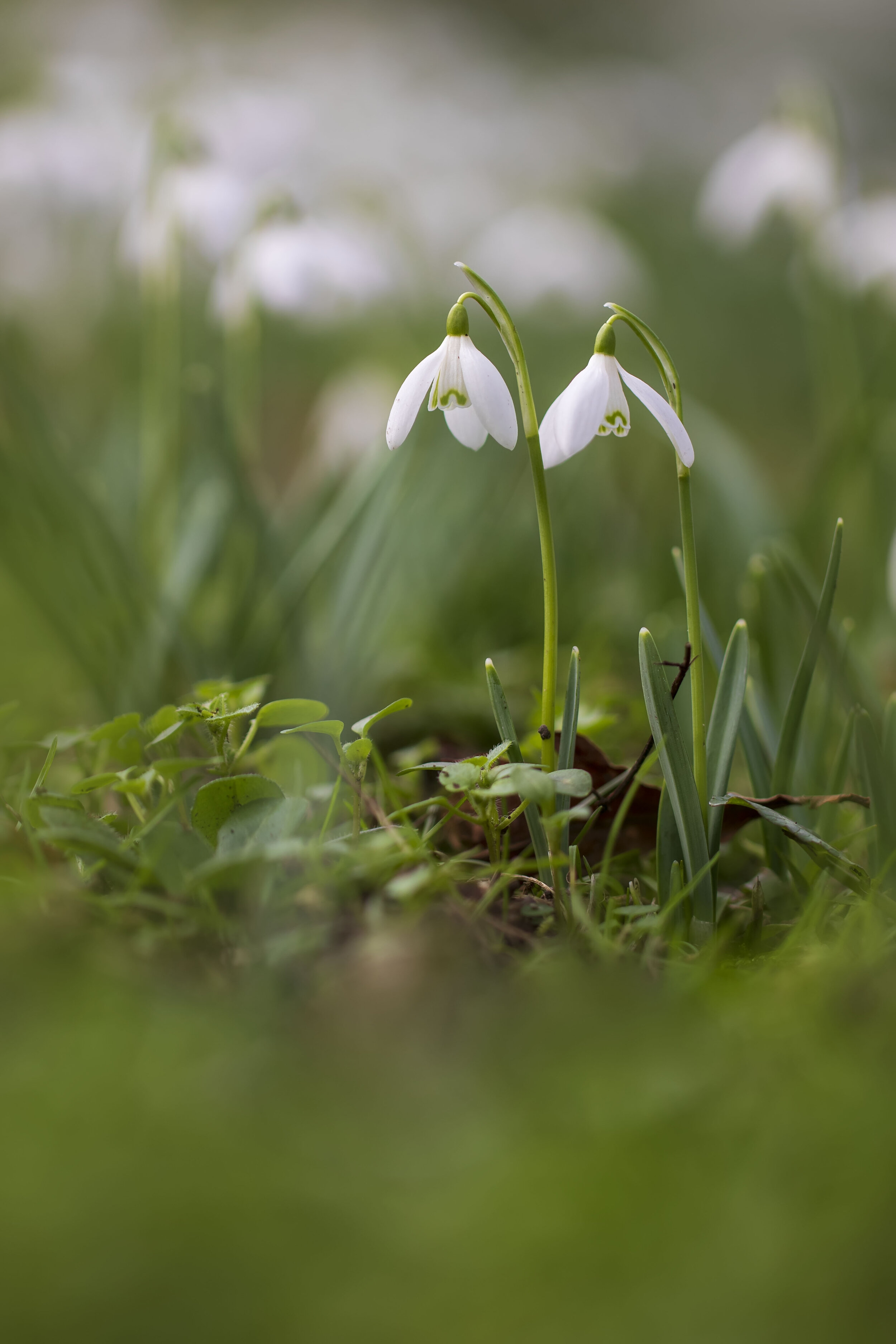
I have some other mosses and lichens that I need to look. I could do with a better book! Nice to see some flowers blooming in the form of Snow Drops, Wild Crocus’ and Red Campions.


My last blog was all about sound recording and I know many people don’t like to listen to things without some visual stimulant. We need to learn how to shut our eyes though, so feel free to put your headphones on and close your eyes on this one, it’s only an iPhone video to set the atmosphere.

Sound Recording

For months now I’ve been testing new gear in order to get the best results I can for a year of many plans with sound recording. Sound for me is so much more important than photographs. Anybody can browse the internet and see amazing images of wildlife and nature, but how often do we put good quality headphones on and just listen to the sounds of nature? It can be really helpful if you suffer from mental health issues and can’t find the time to get outdoors. I know it’s invaluable to me to be able to close my eyes and just listen to something that will actually enrich my life. Many people use Music in this way, as a distraction, but Music, especially modern music, can actually damage your ears if you listen loudly for extended periods of time.
Being a musician myself, I’ve been subjected to loud music most of my life, drumming at hundreds of gigs without ear protection. Thankfully, so far I’ve only noticed a slight decrease above 16khz, mostly in my right ear, but generally, I’ve been very lucky to still have very good hearing. The lesson here, please look after your ears. Losing your hearing isn’t what you would expect, especially if you form tinnitus where you’ll never truly be able to appreciate silence anymore without some permanent noise in your ears. Getting good quality headphones really helps as you don’t have to turn the volume up loud in order to experience a nice full-bodied sound. They are expensive, but I recommend the Bose Quiet comforts 35 Series 2 for extended periods of listening. As the name suggests, they are both comfortable to wear, but also comfortable to listen to as the high frequencies are soft and the low frequencies controlled, unlike most of the headphones on the market these days that have been tuned to punch out the bass for modern music. They might make it sound like you’re at the club, but that isn’t good for your ears.

Two new items of gear, one in the form of a Sound Devices Mixpre 6 ii, which is Sound Devices entry-level sound mixer that so far I’m really enjoying, despite having MANY learning curves regarding setup. I would not recommend this gear unless you have some pre-knowledge of sound recording. Along with the recorder, I also upgraded my Telinga Stereo Mk 2, to the Stereo Mk 3, and now I’ve figured out how to make the most out of my recorder, I’m finally starting to see some results I’m very pleased with. Below are a few recordings from this month. Despite being January, the mild weather has sprung many birds into spring mode: Even some winter visitors like Redwing have been singing, which is really nice as that is something we would not usually get.

Velvet Shank

The season is certainly mixed, with lots of winter fungi to explore. This is a Velvet Shank, so named because it has.. a velvet shank? lol. As I said though, I’ve not taken the camera out of the bag for a while as I’m finding sound can paint a much bigger picture.

Take this recording below. I just about pressed record in enough time to capture a daytime Tawny Owl, who wasn’t too happy with a pair of Ravens perching in the same tree, but if you listen carefully to the smaller birds in the background, and you can hear a Hawfinch calling throughout. I couldn’t actually see this bird at the time, but thanks to the sound recording I was able to share this bird with you.

Lastly I’ll leave you with this recording below of a double stream accompanied by two male Great Tit’s having a pre-spring song battle. You’ll also hear a pair of Buzzards that were pair bonding.

Colourful Tenerife

First blog of the year, Happy New Year! It’s been very busy over Christmas but nothing a week away with Jodie in Tenerife couldn’t fix. This is only my second time on a plane and my second time to Tenerife. I’ve not had many chances to travel like this growing up but I have enjoyed Tenerife, as, despite the much hotter climate and vastly different habitats, I couldn’t help but notice many similarities. The list of birds wasn’t large, but I added a few extras from my last trip, in the form of Barbary Partridges, Sardinian Warbler, Blackcap, Blackbird, Great Tit, African Blue Tit, Common Sandpiper, Little Egret, Monks Parakeet, Canary Chiffchaff, African Collared Dove, Canary, and plenty of Kestrels. It wasn’t a birding trip, I actually only brought my Macro Lens with me for portability. All the photo’s below were taken with a 100mm lens, which presented its challenges, especially with the Red Rock Crabs which were hot on their toes the minute your head pops over the rocks. Most of the Reptiles are endemic, such as the Tenerife Lizard, of which there are two subspecies between the north and south. These are the northern variety. Anyway, I’ll leave you with these photographs, I’ll interject a few more in later blogs but I didn’t take that many.