Nightjar + Updates

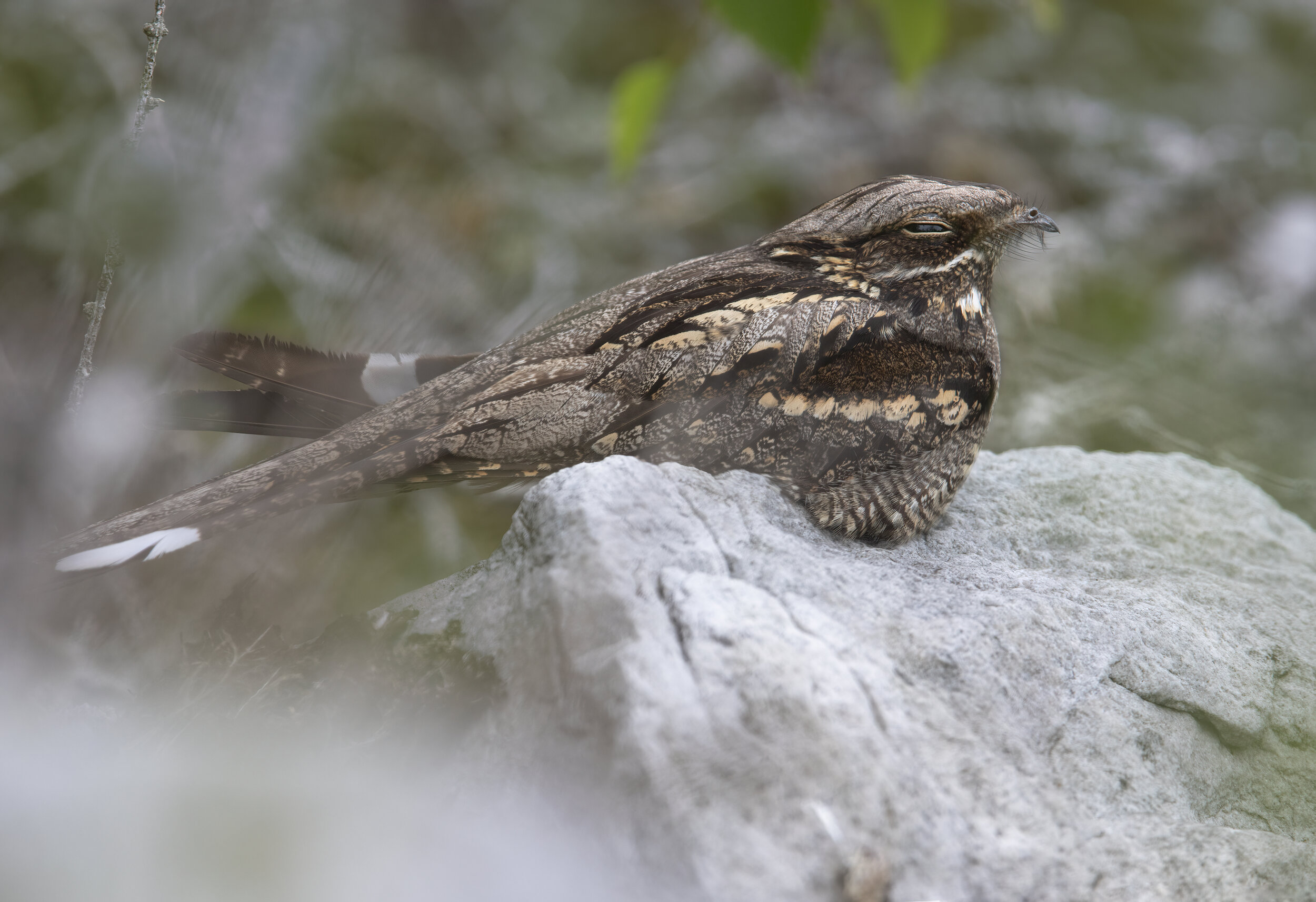
Some good news, some bad news, such is the nature of nest monitoring. In this woodland I have 7 pairs, but I’ve only managed time to find 3 nests so far. 2 of these nests are doing great, both with two chicks and both getting bigger each day, but as the nest gets smell from droppings from both the parents and young, it starts to attract predators, and the worse happened for my 3rd pair that seemed to get their chicks to a decent age, but the nest was found empty, with just a few chick feathers that were broken off. I didn’t have a camera on this nest so it’s difficult to know what the cause was, but this pair failed their first clutch last year also and managed to start again with their second clutch fledging one chick. Below is a male that I’ve come to call Midnight, as he’s particularly dark compared to my other males. Males are usually darker than females, but this guy takes it to another level. He’s the male of the failed pair, so is now sticking close to the female again where-ever she may go, so that they can start over. He’s even roosting on Rocks which makes sense now the nights are getting cooler as that extra warmth sitting on a rock that’s been baking in the sun all day will most certainly give them an extra boost of energy at sundown.

I don’t usually photograph birds on the nest, but I've been getting requests to see the chicks on Facebook so here we go. There are two showing in the photo, but the second is much harder to spot. They’re just getting too big to stay underneath Mum, and it this time lines up perfectly with their adult plumage coming into play, so they are becoming less dependant on mothers superior camouflage.


We’re so lucky in Gwent to have such a variety of fauna and flora and I don’t appreciate it half as much as I should whilst I’m out and about. Usually too busy to stop and observe the ground, especially when you’re focuses on Nightjar, you get a little tunnel vision, but it’s surprising what you do find if you just set aside a bit of time. There are some species that you just need to make the time for, like the Scarce Blue-tailed Damselflies in upland Gwent ponds, if you don’t look, you won’t find them, but there are other species that you just need to get lucky with, and luck was on our side as a Silver-washed Fritillary was sapping moisture and minerals from a clay patch right next to the car along Albion road, pontypool.


Sound Recording

I’ll start with a mystery, and if you do have an idea of what this begging sound might be, please get in touch as I’ve suspected many things but cannot find any reference material that matches.

There were a few Woodcock roding so I thought it might be a begging chick but I’m honestly not convinced it’s even a bird at this rate. This is the first decent recording I’ve got of a roding Woodcock but I’ll try to improve on this next season as it’s a very cool sound.

The star of the show was of course this beautiful performance off this Male Nightjar that does have a very distinctive song, where the inhale section of the song, also described as the minor phrase, is quite low pitched in comparison to its major phrase, making him identifiable, even by ear, so long as you know what you’re listening out for.

Throughout the season I have been observing Goshawks nearby that have been taking food back and forth, so I suspected at the time they were nesting quite close but till now I’ve kept my distance as I’m not scheduled and I have no interest in disturbing them, but in the last few weeks the chicks have fledged and are venturing much further away from the nest site, so it was a matter of time walking the woodland paths that I eventually came within reach of my recording gear. This is why I love sound recording with a Telinga Dish, as unlike photography, you don’t actually need to see the bird to appreciate it, which allows you to appreciate wildlife from a much greater distance.


Nocmig

I’ll end with a few updates from my Nocmig recordings, which have just started to pick up again as birds are starting their autumn migration.

So far I’ve had Little Ringed Plover, Oystercatcher and a few morning extra’s in the form of Swift, Linnet and Raven, which I don’t usually get here.

Babies!

So I know everyone loves to follow the Osprey projects around the Uk because of the live cams ect, but also because the birds are identifiable so people can really track their progress. Thousands of people watch avidly and know them all by name by now, and I know most pragmatic naturalists are probably cringing right about now, but I do think that in giving individuals names, that people start to realise that these birds are unique, and aren’t just carbon copies of each other. We all have individual characteristics and it’s no different with wildlife. An example of this can be seen below, as last year I found a Male Nightjar that would roost on rocks instead of the typical logs, but only when the weather was bad or it was due to rain. I have a few reasons why I think he would prefer a rock in these circumstances. Rocks don’t sway in the wind, the don’t attract Wood Ants, and should any sun make an appearance, the Rock will warm up. There may be no reason what so ever and whatever the reason, this is the only Nightjar in the area that I’ve documented doing this year on year.
As a result, I’ve come to name him Rocky, and his sandy female Pebbles.

I’ve only found two nests so far in this woodland, with another 4 to go but both females have managed to hatch an egg on the same day, so it’ll be interesting to see how they both develop.
The other pair have chosen the burnt habitat and I’ve come to name them Ash and Tinder. I think this pair is a young pair, as the spot she has chosen to lay her eggs is, well, questionable to say the least. I’ll keep you informed of their progress this season but anything could happen with lots of predators in the area.


One thing I am keeping an eye on is the weather as we’ve gone from 30c heatwave to plummeting temps with strong winds and rain. Not so great for breeding birds, but I did take some of the storms as an opportunity to record some rain storms. If you suffer with mental health issues like myself, you might find listening to these before you sleep really helpful. Stick the headphones on and relax.

Whilst we are on sound, on one of my nocturnal monitoring sessions with the Nightjar I come across a displaying Snipe. This sound is worth talking about, as if you didn’t know already, this sound is produced mechanically. It’s referred to as ‘Drumming’ as the sound is produced during a flight display, where the tail feathers are stiffened and spread out in such a way that the outer feathers catch the air and produce this incredible sound. I heard it for the first time this spring on the Gwent Levels, but this was the first time I’ve heard such a long extended performance.


I’ll leave you with a few ‘arty’ shots of Hard Ferns, Large Skipper and an Emperor Dragonfly on a short social distancing walk with Lee Gregory. Lee is such an asset to Gwent, his natural history knowledge is incredible and he’s such a nice guy! Hopefully when this lockdown is behind us we can get out more often.

Rainy Days

Finally some rain! The land scarred and charred by fires will be thankful as hopefully this rain will prevent further spread. I’ve had a wakeup call with these fires. We need serious change in the way we educate our children. Upon returning to my car after monitoring the Nightjar broods, I was approached by a young lad who couldn’t have been no older than 10. He thought I had a gun, so was interested to learn what I was doing. I obviously showed him my camera, told him I was photographing wildlife. He said ‘what wildlife’ and then continued to say that they weren’t allowed up the mountain anymore because they were caught lighting fires and shooting wildlife! He told me this with pride on his face! like it was a huge achievement to shoot defenceless animals for fun. Whilst I’m glad to hear they’re not allowed up the mountain anymore, it makes me realise how naive we are to the brutal destructive nature of some children. I still get people who get offended when I say children are the cause of many of these fires, because who would want to blame an innocent. Of course, they are innocent as I don’t believe for one second that they are aware of the destruction they are causing, and I don’t blame them at all, I blame the system they’re brought up in. Many of which suffer because they’re brought up in hostile environments which lead them to find ways of expressing anger and frustration. I wish I could have spent more time with the kid to bring him around to see the affects of what he’s doing but he had that look in his eye, he really did look like a lost cause already which is so sad. Of course it’s not just children causing fires as it could be anybody, it could even be a total accident, throwing a fag end into dry bracken or heather is all it could take to take a whole mountain out. Please be more careful, if you don’t know how to light a safe camp fire, please learn from somebody who does and please do so far away from prone habitat like heathland, clear-fells or condensed woodland where even an ash catching the wind could cause havoc.

Ranting over, I took this moment to bring myself back to the basics, to focus on the little things that got me inspired as a child. Whether that’s the patterns found in ferns and flowers, that magical golden ratio, literally the blue-prints of the earth and things we take for granted day-to-day, like the beauty of rain and how it sits on leaves for a moment like a scene from the amazon rainforest itself. There’s beauty in everything and you don’t need to focus on rare and wonderful things to see it. I’m guilty for this myself but I don’t want people thinking this is the reason why I’m photographing Nightjar. It’s fare more than that for me, they’re literally my favourite bird, because I relate to them on so many different levels.


Why I love Nightjar. It’s not just about the physical challenge of finding these elusive birds, or the fact that they look awesome. There’s a deep deep connection with every bird I find, (or don’t find). It’s because I see a lot of myself in these birds. They prefer their own company, they spend most of the day on their own watching the world go by and they succeed off the back of destruction and chaos as their chosen habitat is forever changing and they have to learn how to adapt. There’s a mystery surrounding the species which will forever encapsulate me. On the left is a female from my original burnt site. She’s about to lay her first clutch any day now. On the right is a new male from a completely different location and his female has already laid and he’s chosen to watch over her from a nearby tree. The tree roost is a good idea when it’s raining as it gives them that extra bit of colour they need to stay dry enough that their feathers don’t wet out and prevent them from exploiting the dry periods so they’re able to hunt for nocturnal moths.

Talking about Nocturnal, this is a good time of year to listen out for Owl chicks as they’re quite vocal, constantly begging for food and reminding the parents where they are as they semi-fledge and learn to strengthen their wings, hopping from branch to branch. Took me a while to spot him/her but I was spotted pretty quickly.

Tawny Owlet

I’ll leave you with something simple again. Another subject that grows around the golden ratio, ferns literally beam light from the shadows as if they give off their own source of light: Even on a dark dingy day like today.

Scaley-male Fern

Welcomed Rain

The thinking at the start of this pandemic was, that nature would finally get the break that it deserves, with less air, water and noise pollution and some areas being left alone as people aren’t able to get to them to cause disturbance, such as upland ground breeding birds. Grass has been left to grow, so wild flowers have been given a chance to grow also, giving insects the boost they need. It hasn’t all been positive however, as during this lockdown we have seen a rise in ‘wild’ fires, caused by people of all ages but mostly children and young adults, wether on purpose or by accident and neglect of putting camping fires our disposable BBQ’s out properly. Disposal of fag ends also cause more wild fires than people realise, as in dry heat such as what we’ve been having for over a month now, all it takes is that little bit of help in the right habitat and it becomes a huge problem. For ground nesting birds, it’s a disaster. I monitor several Nightjar territories, many of which are currently black following fires. All the heather that was once present is gone, leaving charred sticks but thankfully, the bracken has still sprouted thru giving them a little bit of cover. This Male Nightjar is roosting on the only part of the branch that wasn’t burnt, which makes you wonder if it sat their whilst the fire burnt around him. It’s a sad thought when you think of all the animals, reptiles, insects and mammals that weren’t able to get away from the fire in time.

Nightjar Burnt Roost - SR1A4639 copy.jpg

Some Males have avoided ground roosting entirely and have taken to the tree’s instead. They are a little more vulnerable to predators in the tree’s so it’s not the best solution but at-least the canopy gives them a little shade in the heat of the day.

Nightjar Sunset Tight-SR1A3955 copy.jpg

This tree roosting Male put on a good performance after the sun dropped. Singing for so long my arm was ready to drop off holding the parabolic setup. I had hoped he would give a nice clapping performance at the end of this 5 minute bout but nope, he just stopped singing as he got distracted by a moth.

Once the female was up however he resumed to his short performances, ending each bout with a clapping bubbling displaying which is by far my favourite part of their song. If the female was happy with the performance they’ll mate either on a close perch or even on the ground.


As you’ll know by now I also have a fascination with mimicking birds and I’ve noted quite a lot of unique ones lately. The Song Thrush I hear on the gwent levels coastline usually have wader calls in their song, usually loud birds like Curlew, Oystercatcher or Whimbrel, and this is pretty standard across the levels, showing generations of local breeders that are faithful to at-least this sort of habitat on the coast.
In contrast to this, my semi-upland sites have been found to mimic anything from Nuthatch, Green Woodpeckers and to add to that list, Tawny Owl and Nightjar!
Here is a typical Tawny Owl ‘Kivvik’ call and below is a section of a Song Thrushes song, mimicking perfectly this Kivvik call.

The same bird moments later started mimicking a male Nightjar Call! Which would explain why it’s been so difficult to find them at dusk lately lol as it’s not just one Song Thrush doing this either, there’s three or four in that area that have the same phrases.


On the note of odd singers, I keep hearing this aberrant Willow Warbler song in the same area, which was the very bird that sparked a conversation about Iberian Chiffchaff. This bird has the start notes of a Willow Warbler, but the delivery expected of a Chiffchaff.

I’m still yet to get a pic of this bird but it does look to have pale legs so most certainly an aberrant Willow Warbler.


I’ll leave you with a closeup portrait of this Male Nightjar. Let’s hope the recent rain will prevent any further fires from causing anymore hinderance to their breeding season.

Weird and Wonderful

Photo

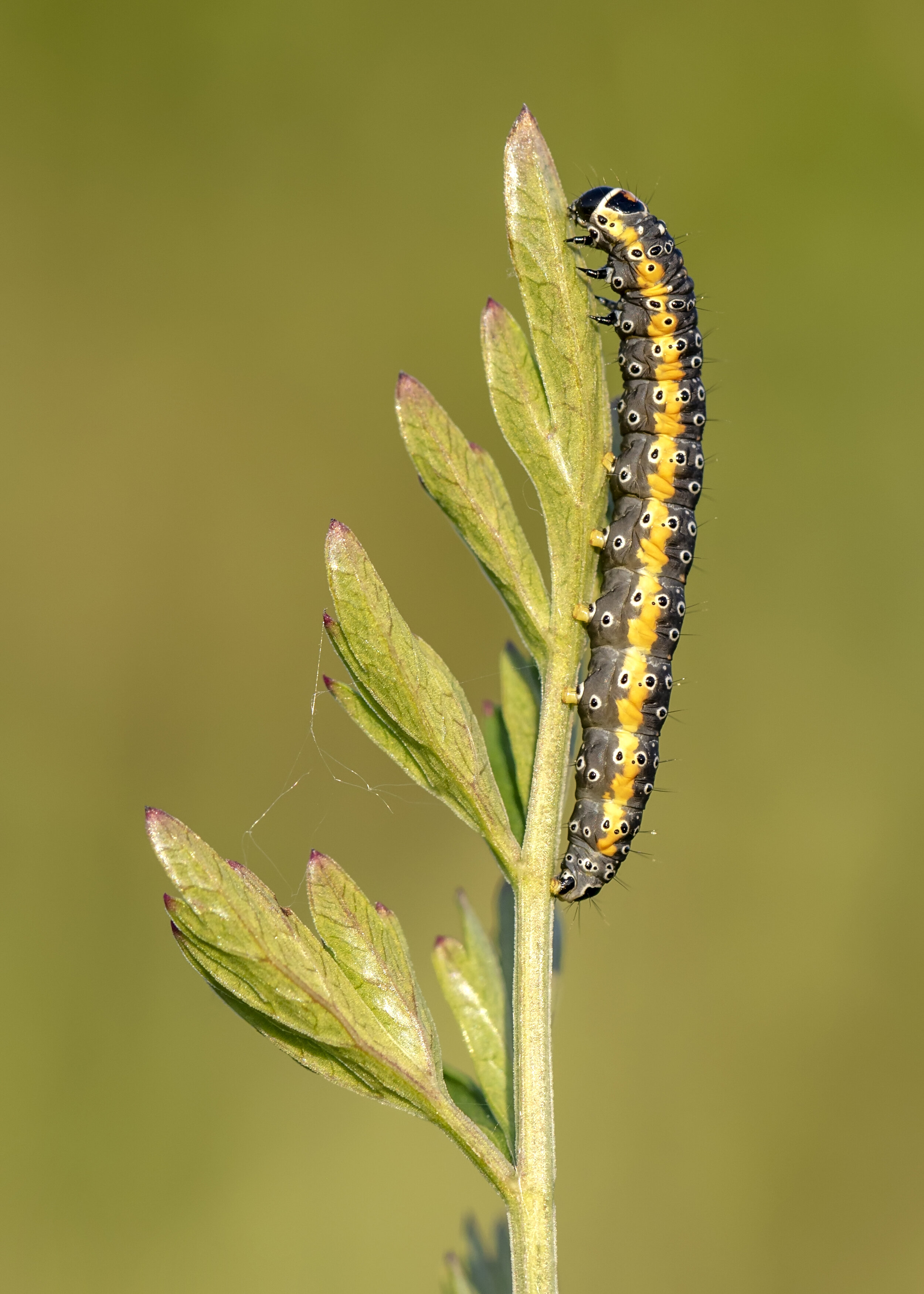
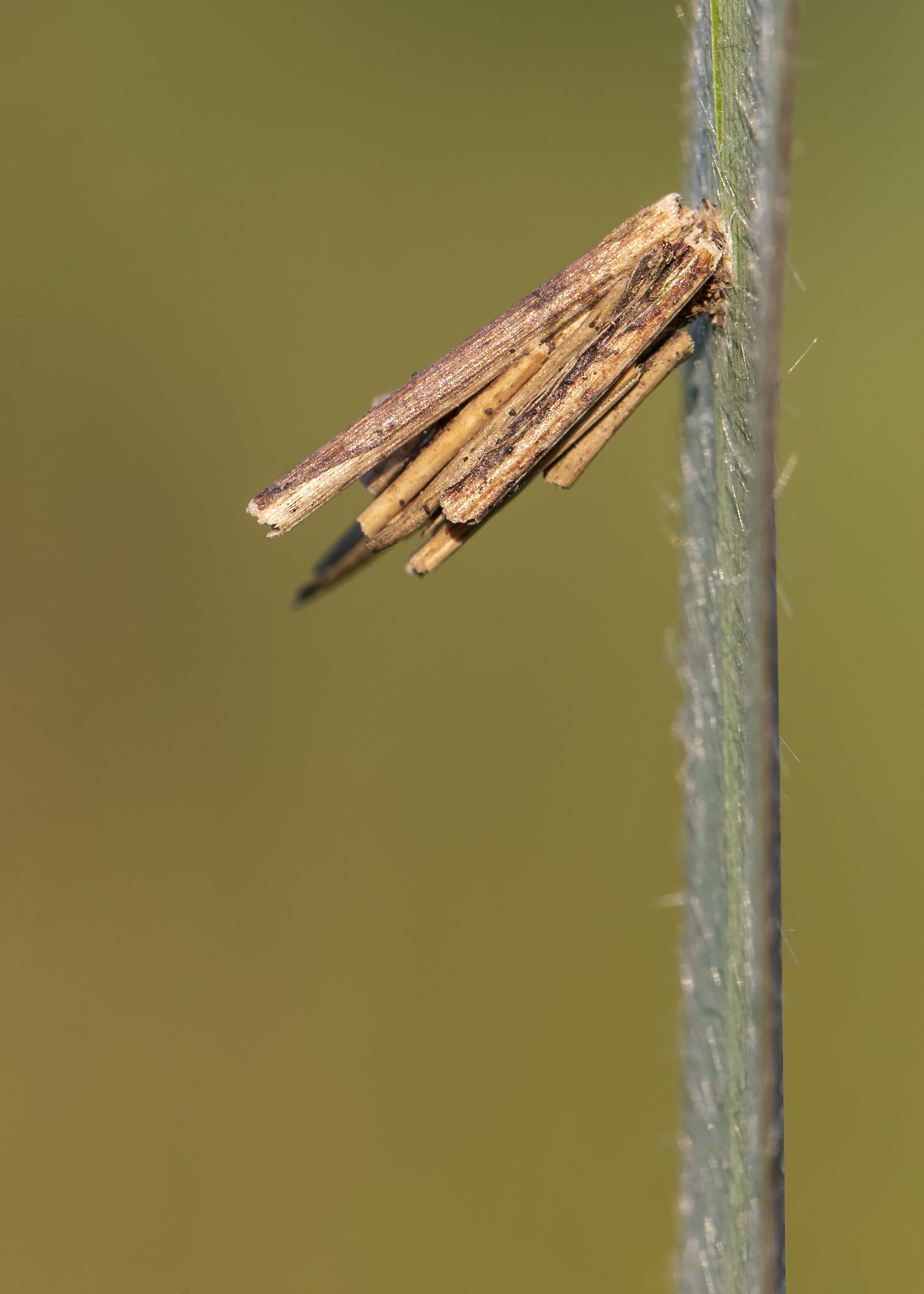
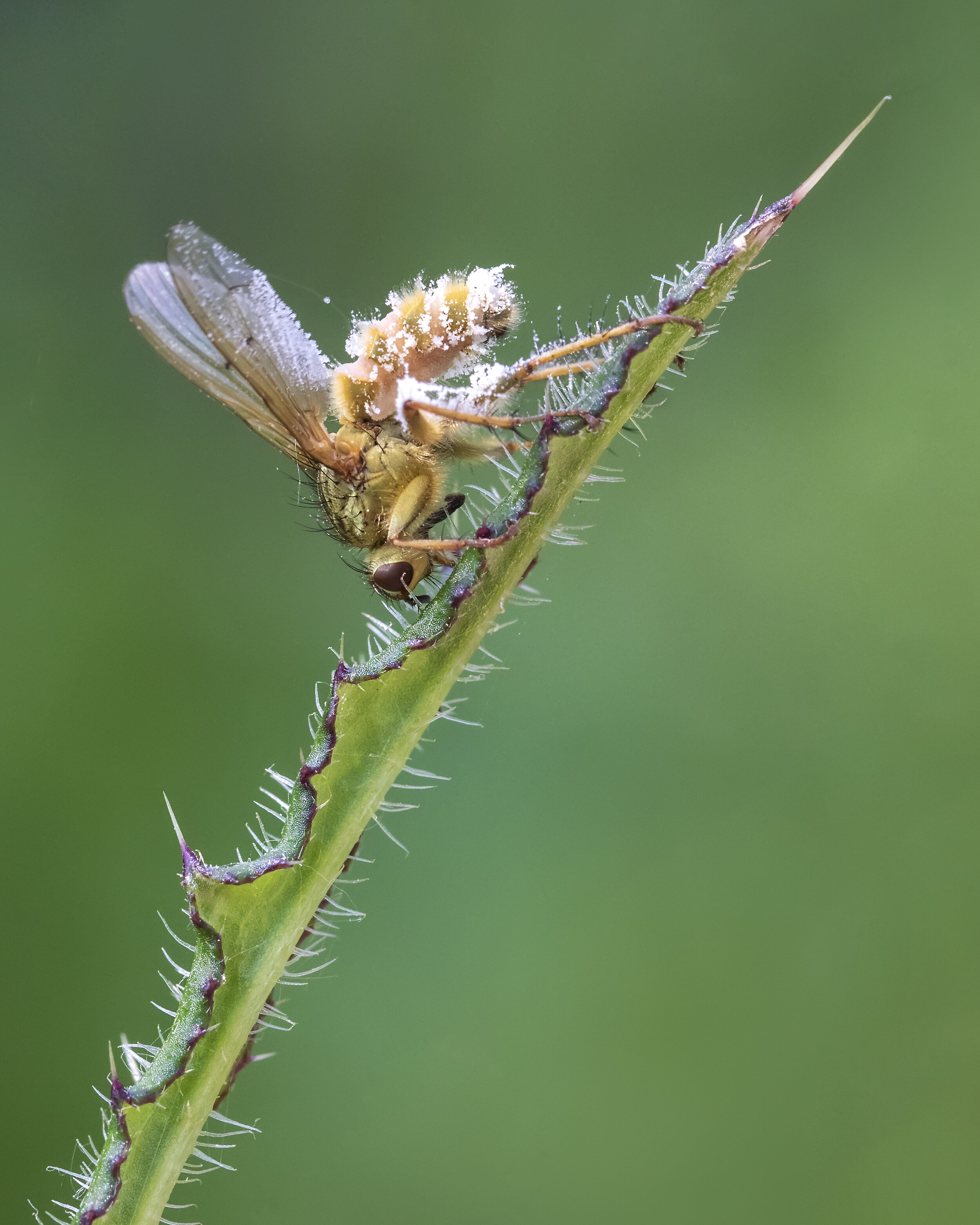
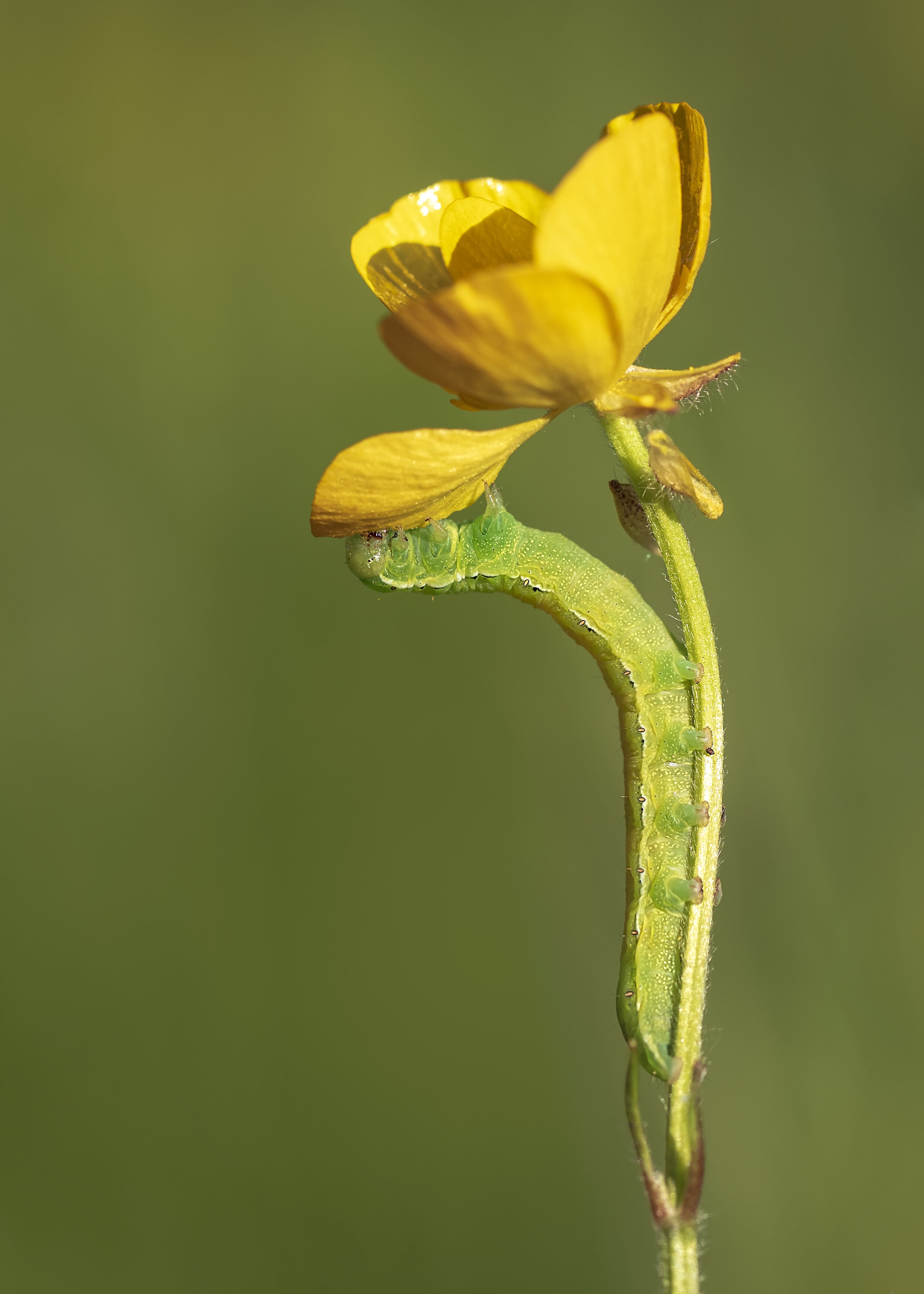
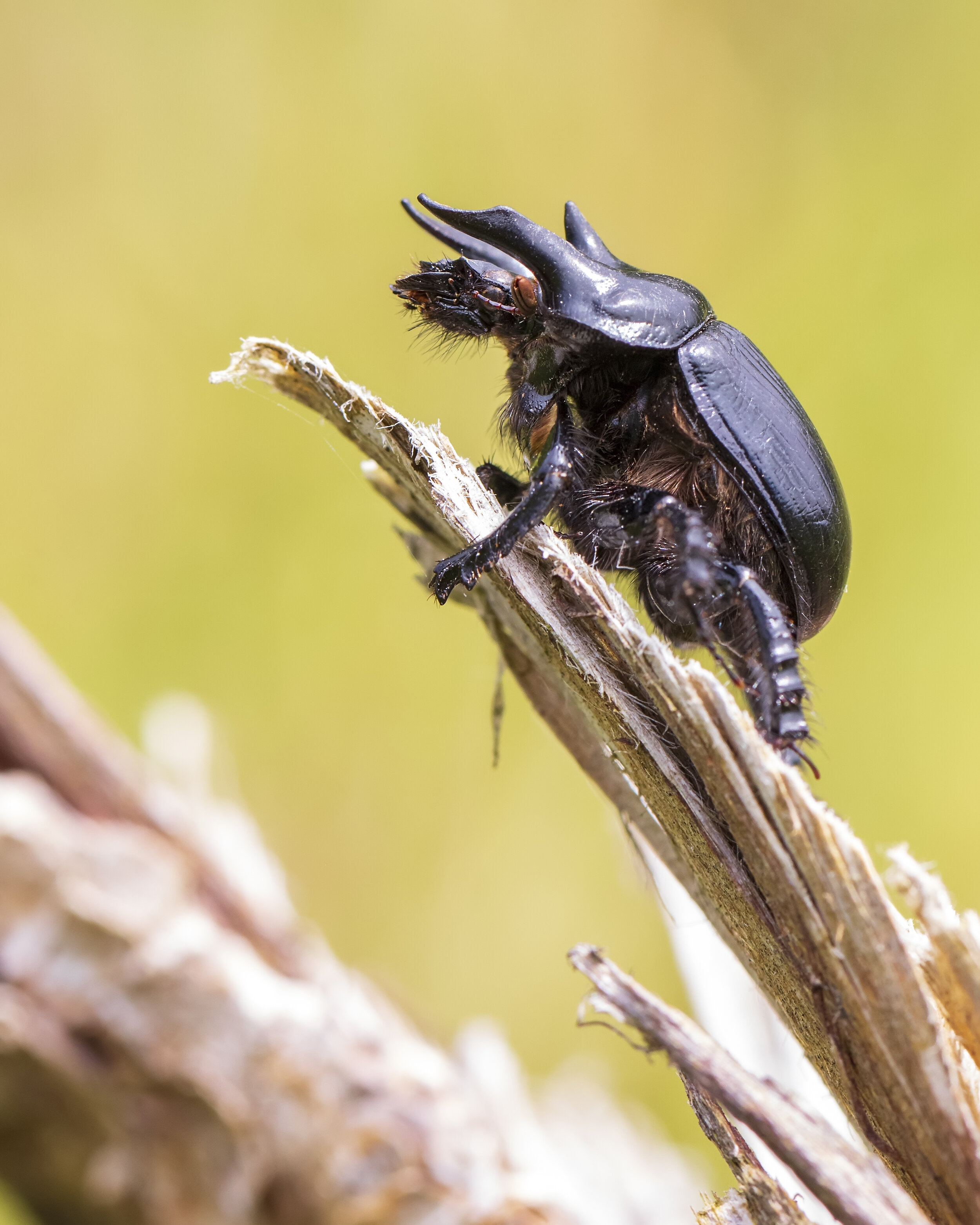
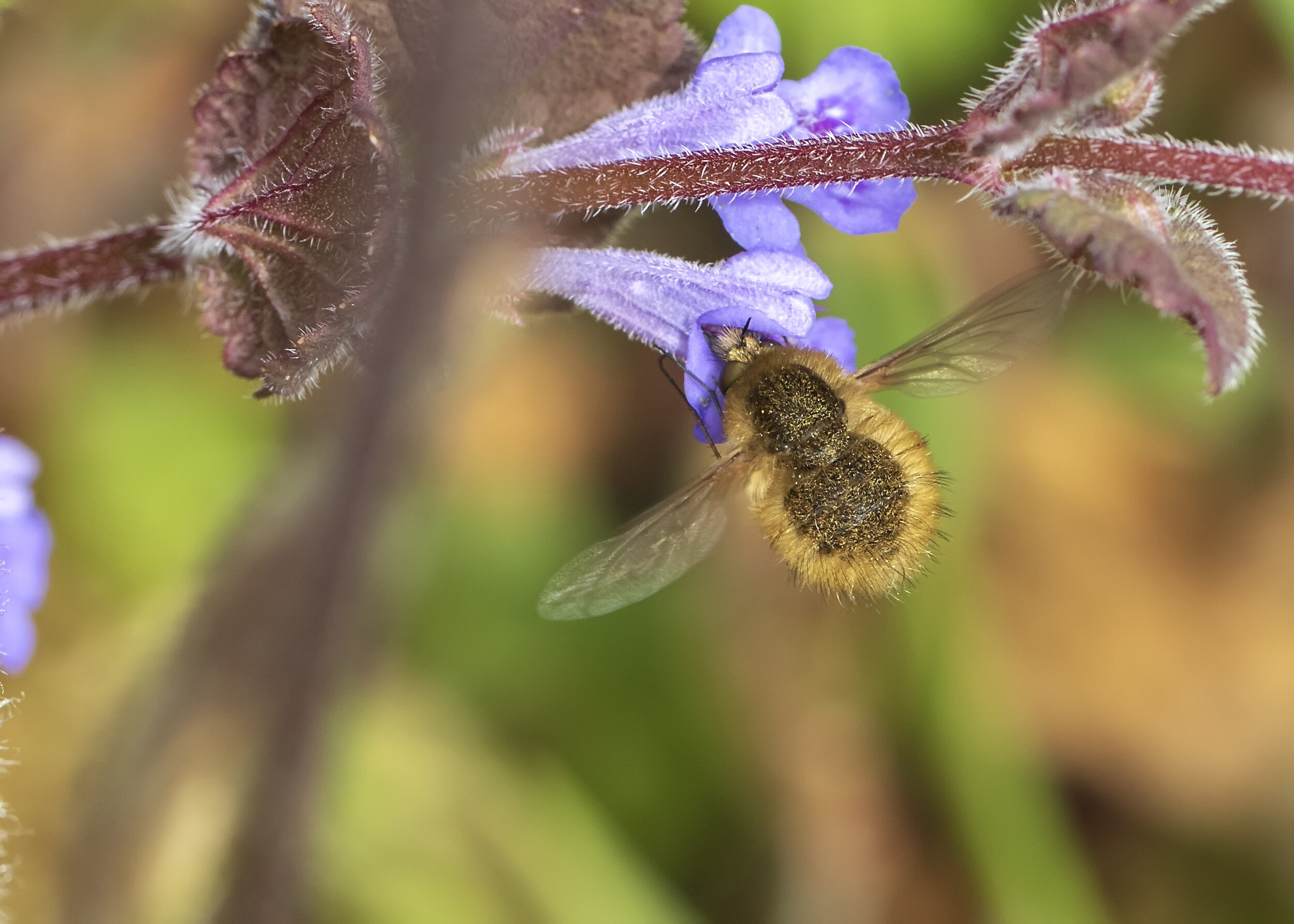
Breeding season is by far the busiest time of year for me. I wish my body could just run on nothing so that I could spend every second I could outdoors, but with nothing booked in today and a nice red ‘binocular strap’ sunburn on the back of my neck, I spend the day indoors to catch up on invoicing and general admin work. This also gives me the time to write this blog and catch you up on the weird and wonderful things I’ve been seeing on my surveys or in my garden. Caterpillars can be quite challenging to ID and I’ve photographed a few lately that remain un-identified. Usually the moths are the hardest as there are quite a few that are very similar looking, and there’s just so many of them!. I found my first Western Bee-fly which is a nationally scarce Bee-fly that appears to be quite numerous this year. I found another case of ‘Zombie Fungus’ which is a very strange phenomenon where a fly picks up spores on its skin, that burrow into their body to develop and once developed enough, will induce a chemical that takes over the flies brain! The fly then is possessed by the fungus, that causes it to climb a tall plant (called summiting), from which it is then forced to secrete a glue like substance from its mouth. Only then will the fungus kill the fly by locking up all its joints and limbs, so the wings point to the sky and their legs lock onto the stem. It’s at this stage that the fungus can use all of the flies nutrients, growing out from the body and releasing spores into the air, ready for the cycle to start all over again. It’s literally the thing of nightmares! The Bagworm Moth Larvae was also a good reminder of natures architectural genius, as the larvae uses sticks or reeds of a certain quality to build a safe home that’s completely unappealing to any predator looking to eat them. Some of the shapes they build, truly are incredible. Take a look here for some examples on google.


It’s been a whole year since I found my first roosting Nightjar. It was a special moment after many years of research, as yomping around breeding habitat with no experience is just out of the question. If you think you can just rock up and expect to find one roosting in the day, you’ll go home very disappointed. There’s a reason why these birds are so successful. If you flush one in an attempt to find one, you WILL NOT see them again, as they won’t roost there again. Everybody I’ve met who study Nightjar, do so because they have the utmost enthusiasm and passion for the species and it’s safe to say, I’m in it for life. On that note, below is that very first Nightjar I found in may 2019, which happened to be a female who favoured tree stumps. The females are taking a while to come back this year, but it was even more special that my first Nightjar of 2020 was that exact same female, using her favourite tree stumps again. The more you learn about these birds, the more you realise that they are just individuals, with their individual preferences in life, just like us.

As she had just turned up the night before, she’s already being pestered by the local Males and this isn’t the same Male she paired up with last year, but he was roosting 2 meters away from her, just so he knows where she is once it gets dark enough, so they can continue ‘business’. I hope they have a good year this year, for some reason many females are yet to return, so the Males are a bit lost at present.

Male Nightjar

Sound

Back to sound! (Here’s where most people bow out). Recording mammals can be quite difficult as they’re not always vocal. I’ve had numerous encounters with Weasels for instance and till today I’ve never heard one before! I presume it has a nest somewhere. I couldn’t even see the blighter but this sound was unmistakable.

The same night I had an encounter with two Tawny Owls, that were making all sorts of weird sounds, but recorded here at the typical Kivvik sounds. You may even have one near you? With this hot weather, now’s a good time to listen in bed with the window wide open.

I’ve also added another birdsong to my video list. The Chaffinch is Britain’s most common finch, but till now I’ve not really appreciated it enough. I’m sure their success has everything todo with that powerful bill, which is very versatile in what it can achieve. Their song might be repetitive but listen with a good pair of headphones and the tone is just stunning. It has a well-rounded tone but with really crisp articulation. That and it’s very loud!


Nocmig

Not much to report on the nocturnal migration recordings but I did get a wave of flycatcher like calls that I need to ID. They must be Spotted Flycatchers this time of year but I don’t think the recordings are detailed enough to rule out Pied Flycatcher.


And finally, something to laugh about. I had lots of messages last night, congratulating me on getting one of my images onto the Springwatch program lol. Which was news to me, as I can’t ever remember being asked for permission to use any of my images, so I was a little angry at first.. but then I found out it was Iolo Williams that presented it, so I’ll let him off beings he’s Welsh, and of course, I remembered I added the picture to Springwatches Flickr group, which does state they’re allowed to use any images added to the group for the program, so long as they credit the photographer, which they did. It’s a shame now though everybody thinks there’s a bird called Gavin Vella!! Could have been a worse bird though lets be fair :)

Screenshot 2020-05-29 at 19.33.28.png

Here’s the original image for you to enjoy :) Taken under license in 2019.

Where do I start!

I hope you’re all still hanging on in there. I do feel we’re slowly starting to come out the other end of this pandemic (for now). It certainly feels that way with way more cars on the road with people finding ways of getting back to work. I know it’s tough staying indoors, especially in this beautiful weather. I’m very lucky to have local access to so much wildlife and to be able to still do my surveying jobs around the Gwent Levels and a few semi-upland sites. As you know I’m self-employed and this as my full-time Job. It was tough to get where I am now and it’s times like this that make it all the worth-while. If like me; you require time outdoors with nature, for the sake of your mental health, maybe this experience will make you consider pursuing the Job you’ve always wanted? I’m a firm believer that there’s always some good that comes from bad experiences but we do need to exploit every opportunity we get. Maybe this is it?
Either way, If you can’t get out, I hope in sharing my outdoor experiences with you, it can somewhat transport you as if you were right there with me when it all happened. Pictures help, but I believe sound alone is the best way to do this, which is why I’ve done plenty of sound recording this year.

Here are some pre-dawn surveys this week on the Gwent Levels. The winds have changed to southerly in the last couple days so we’ve been seeing either mist or rain throughout the night as weather systems change.

The sound of the waves this morning was therapeutic and I can see why so many people are drawn to the ocean when the weather is nice. It’s not just about the beach, there’s a reason why people come from the beach feeling enriched. The sound of water does magical things to us, as does birdsong.


Sound

For those who haven’t heard a cuckoo, now’s your time. If you’re within walking distance to upland sites or the gwent levels, you might just catch a few at dawn or dusk. If you don’t have access, here’s my best recording yet of this male who specialises in lowland species, so probably looking for Dunnocks or Reed Warbler nests for the female to lay her egg in.

Another iconic sound of the lowland and a sound that can be heard over two miles away, is this incredible bellowing Bittern. I actually picked this bird up during a survey which I’m sure was more than two miles away but with the right wind conditions and the aid of my parabolic dish, I was able to hear it on the wind. The problem is the closer you get with a parabola, the less you seem to hear of a bittern as the dish itself only amplifies soundwaves than are smaller than it’s circumference, so low frequencies won’t be amplified. For this recording, I had to use a shotgun mic and some clever trickery in post edit to amplify the sound.


I’ve added some more birds to my sound-video list, two you’ll encounter quite a lot in and around your home. Wren and Dunnock have mastered all types of habitat, lowland or upland. A less common species though and an under-recorded species is this Lesser Whitethroat. Under-recorded as they are rarely seen due to their hedgerow antics, but also perhaps because people aren’t familiar with their song? If so, take a listen. That iconic sound at the end of each phrase is called ‘rattling’ and there isn’t really any other species I can think of that rattlings quite like this.

Another two lowland reed and hedge specialist in the form of a Cetti’s Warbler and Reed Bunting.

I appreciate there’s a lot of media here! I don’t expect you to listen to all of these files. It’s like 6 blogs all packed into one and I wish I could spend more time talking about each one as there’s some truly magical moments here. I recorded my first Roding Woodcock, a real close encounter with a Tawny Owl on a night that was so quiet, you could hear burrowing insects in the trees and the sound of bat wings. (Future blog about those insects).


Garden List

I’ve added a few more species to my Garden list but I’ve also included some I’ve found on the gwent levels during surveys. I’ve added yet another species of Bee to my garden list in the form of a Megachile Sp which is a type of Leaf-cutter Bee. I’ve now also got plenty of Speckled Bush-crickets roaming around so that female I found last year clearly laid eggs in my fence panel. (they like dead wood). I can’t ever recall seeing a 24-spot ladybird before so this was a nice addition for me.


Nocmig

Wow, what a headache Nocmig has been at times! So much to learn, it’s actually fueled my passion for sound even more but also brings out my love for bio-acoustics, as half of these calls can’t be identified by ear alone, they need to be analysed for the length of the call, pitch, and modulations etc. I don’t even have the software to do this properly but luckily there are specialists out who do know these sounds and between me and Craig Constance, we’re bouncing off each other quite well so far… Even still we’ve both still got things wrong on occasion but that’s all part of Nocmig, you have to accept that there will be things you get wrong, or sounds you cannot identify. It’s all part of the mystery of the game which is why it’s so fascinating.

I’ve even got a few probables that I’m not quite sure with. Turnstone is distant but spectrograph looks pretty good for Turnstone. I’ve had multiple Spot-Fly type calls but I’m not confident at separating them for Pied Flycatcher yet but I should be able todo so with these alls as they were pretty clear. I just want somebody with more experience than I to confirm for me. The Sound Approach does have a good write-up on these species but I don’t have to software yet to measure length of calls.


The Sound Continues

I’ve added some more birdsongs to my youtube collection. I’m hoping that once I’ve accumulated enough, they can become a reference for people to use to help ID species in the field. Learning birdsong is quite difficult for people who don’t know where to start. By far the best way to learn is to listen, a lot. So it helps to know what you’re listening to prior to going into the field. Take this Whitethroat, for instance, in this recording, you’ll hear their call at the start, their short and sharp song, followed by their longer sub-song which is also used during their flight display. It’s good to familiarise yourself with birds sub-song too as it’s usually these type of vocalisations that people can get caught up on, as they all share similar characteristics between species. A sub-song is often a longer, more complicated song, which could include mimicry in this species also. This is why it’s important to take your time and listen to multiple phrases before drawing any conclusions but if you’re unsure, record multiple phrases on your phone and if you can’t find out what it is yourself, feel free to ask me or somebody else for help.

I’ll do another blog on the Reed Warbler in comparison to a Sedge Warbler as this is another species that people get confused between. The differences are actually quite spectacular once you know what to look out for but for now, familiarise yourself with the slow pace of the Reed Warbler. It might be a complicated song, but it is structured.

Another song that you perhaps won’t hear so much now as they tend to sing early spring. It’s a delicate song, and just like their stone-like call, can easily be missed on a windy day on the moors.

One you won’t mistake in the woods is this iconic sound of a Wood Warbler. It’s described to sound like a penny dropping onto a marble floor, as it a very metallic sound that increases in speed and loudness towards the end.


Nocmig Update

So much to share from the last two days alone, with Common Sandpiper, Little Ringed Plover, Ringed Plover, Whimbrel, Dunlin and last night my first Spotted Flycatcher.


I appreciate there’s a lot of content here to look thru but you have to listen to this one. It was a special moment recording a Cuckoo at work that literally sang for 30+ Minutes. No females just yet on this patch but two males either end of the woods.

I know we’re still struggling to get thru this lockdown and are eager for things to go back to ‘normality’ but I really do hope that we change our ways before jumping straight back into the fire. The lack of air traffic has had a massive impact on my mental health. My recordings are the best they’ve ever been due to this one fact alone and I’m positive that this period has had a hugely positive effect on our wildlife. I hope that more and more people realise the value of working from home and I hope companies will start to trust their employee’s todo so. Yes, it’s important to have social contact with people, but I do feel that much of this contact is unnecessary at a time where global emissions are at breaking point. Just look at our wonderful verges full of wildflowers and the increase of insects this year alone due to less traffic on the road. We have such an impact on the planet, but this as proven to me that we CAN make big differences with simple life changes.

Bird Song Dialect

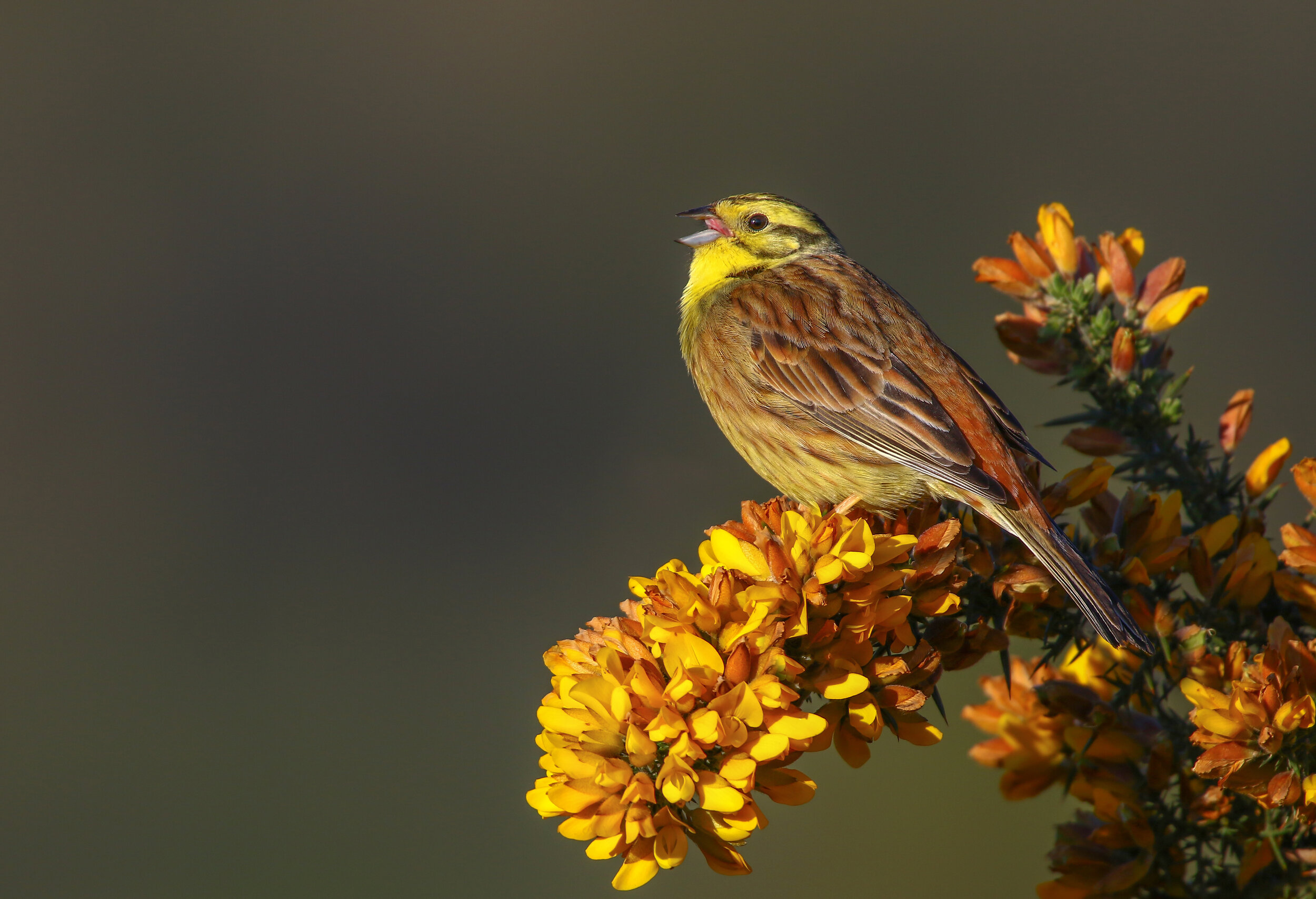
It’s somewhat ‘easier’ to notice dialects in species that have relatively simplistic structures to their song, especially in species that don’t use any form of mimicry, like a Yellowhammer. Any differences in song between regions would, therefore, have formed due to direct learning from other males within that area. This is essentially how isolated populations start to form new sub-species and it’s not to say that Yellowhammer ever will split, but it begs belief that DNA results were able to separate Scottish Crossbill from Common Crossbill, despite that fact that the only differences (as far as I’m aware) is their song.
It’s studies like these that really paint the picture about how little we actually know regarding bird dialect, but it can be a useful tool to learn more about their distribution. For instance, in the Uk we primarily have XIB dialect, which is the classic one people are used to hearing, but we do have populations in the Uk that show XsB, BC and some random combinations. If all of a sudden your local yellowhammer is singing a different dialect, it’s safe to say that this bird is probably not your local bird anymore and an ‘outsider’ has moved in. This isn’t a bad thing though as it diversifies the gene-pool.

Here’s a link to Pavels Pipek’s Yellowhammer project - http://www.yellowhammers.net/about.
If you have any sound recordings of Yellowhammer, please send them over as you never know, you might be the first to find a new dialect for the Uk and it all helps with data collection. Here’s a list some of the main dialects that Pavel has discovered in his research:

Yellowhammer Dialects

Here’s a local bird who’s already settled in with his female. I watched them mating straight after extended periods of singing, so he’s doing his Job correctly so far! No signs of nest building yet though, unless of course they’ve finished the nest already. I have lots of stories with Yellowhammers as it’s the main species my Grandfather spoke of growing up. He reminded me time and time again about where they used to breed in Gwent. Some places of which are really hard to believe now as they’ve since been replaced with concrete and buildings.

Here’s my garden Blackbird. He hasn’t got a very varied song yet, which would imply he’s still a young bird as they get richer and more diverse with age. Still a beautiful song but I do miss our old resident bird as he used to mimic my neighbours whistling. I wonder how long it will take before this guy starts doing the same.

April Summary

2020 is looking to be a year to remember for sure! I know for many this has been nothing but stressful time and it’s looking to continue that way for a while longer. I do hope that you are finding some positives in this situation. Spending more time with the family may be a good thing, sorting out the home, garden or just generally getting the rest that you deserved? Well if not, please take it!
For those that have followed my blog, it’s been a rough experience so far but I’m now back into work. During the lockdown I focused on recording wildlife in the garden, mainly bugs and bees. I’ve created a bug hotel with my partner and planted wildflowers ready for summer. I’ve also started recording nocturnal migration which has been really successful! I haven’t tallied up my total species count yet but it’s increasing daily.

Going self-employed was a tough decision for me at the time, and very risky! so risky that there was a period where I was really struggling and if it weren’t for help in the family I wouldn’t have got thru it, but I’m out the other end and it’s times like this that’s really made me thankful that I did, as I’ve been able to continue working, and that work is outdoors which is vitally important for my mental health.


Last week I started sharing videos of my sound recordings, as I found that Youtube is slightly better for sharing content on social media platforms, as they don’t need to leave Facebook in order to listen. Here’s some more to add to the growing collection. Firstly is this Firecrest which is a new territory for me and surprise surprise, the bird was mimicking Goldcrest in a reduced manner. You can hear a couple of these mimic phrases at the start of the recording.

Willow Warbler and Tree Pipit are two species I’ve been hearing a lot of this week as they return from Africa and with these two extra species alone the dawn chorus sounds so much bigger than before. So big that I’ve also included a recording of the dawn chorus, which is still with my parabolic dish, but something I hope to do a lot more of in the future for In Our Nature CIC as it can be quite therapeutic to listen to.


My Nocmig continues to pull up some fantastic birds! especially between the 24-26 where I had Common Sandpiper, Water Rail, Arctic Tern, Dunlin, Oystercatcher a Heron and what I presume is a Raven? at 12pm. Would appreciate any opinions on that one though as I didn’t think Ravens would be flying so late.


I’ve been getting a lot of questions about this Nocmig recording, so I’ve revamped my sound recording page, with an additional page at the bottom, devoted to nocmig. Hopefully after a few months more experience I’ll be able to make it a resource of recordings for others to use as identification, as there isn’t a heap of resources online for nocturnal calls: Partly because there is very little known about them! You can either start at the top of my sound recording page and work down ( should keep you occupied for a while) or you can skip to the bottom and click the Nocmig button. There isn't much there yet, just a little about my setup, but that will develop as time goes on. I hope it’s useful.

Sound Recording
Nocmig

I’ll leave you with a photo of a common species of Drone-fly (Misumena vatia), males of which are lining up to impress a female. This is common behaviour and distinct to this species and sometimes you can get a dozen lining up doing the same thing. Can you spot the predator in the scene also?

Drone Fly Daisy - SR1A3990 copy.jpg

Getting Organised

Getting Organised

If there’s one good thing that has come out of this horrific time, it’s finding the time to get organised. Time is so precious, I wonder if this experience will change perspectives of how people spend their time. I hope that people will have more appreciation for nature now they’re experiencing clearer skies, less noise and air pollution and generally appreciate the freedom we once had to roam as we please.

On the days I’ve spent working from home I’ve taken the opportunity to rethink the way I portray my work. I usually share my sound recordings with Soundcloud links, but the issue with Soundcloud, it’s not social media friendly, so people have to leave facebook or twitter in order to listen to the file, which I don’t like. So I’ve started putting together short videos, simply with a photo of the subject or scene and a little audiovisual to give it some movement. I know video’s, in general, are more interactive but I can’t do both at the same time, unfortunately. So here’s three videos to start off with, some recent and some old. All photographs are my own, I hope you enjoy them.